
-
Wednesday 14th October 2026
Casting call: Theatre in Education play Trapped seeks Island actors
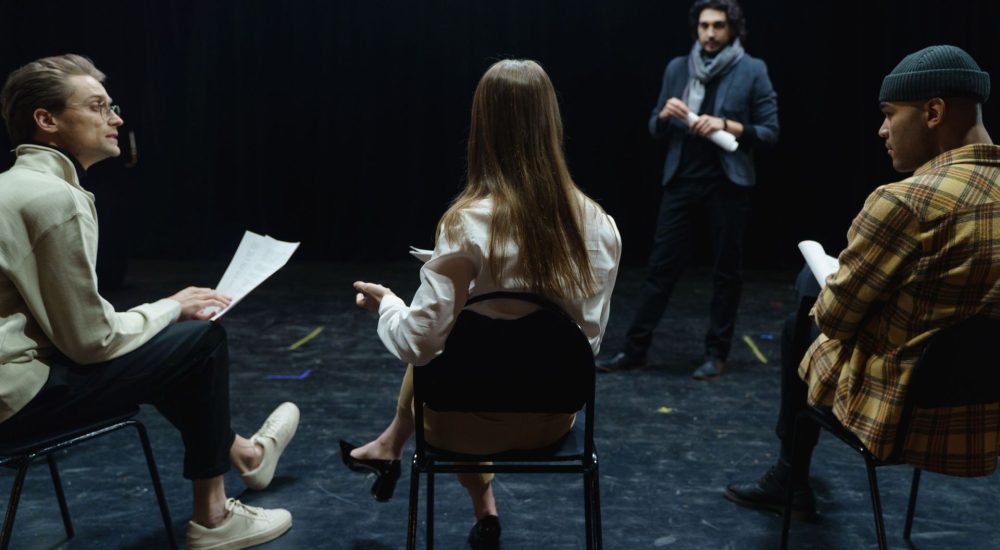
Kensington Arts is looking for versatile actors to bring a powerful play about child criminal exploitation to every secondary school on the Isle of Man.
Kensington Arts – Expression of Interest – Fill in form
Kensington Arts is inviting actors aged 18+ to audition for Trapped, a Theatre in Education (TiE) production, written by Chloe Shimmin, that will tour the Island’s secondary schools between February and May next year. Developed in partnership with the Department of Education, Sport and Culture (DESC), the Isle of Man Constabulary and the DESC Learning Transformation division, the play aims to help young people recognise the warning signs of criminal exploitation before it’s too late.
About the play
Trapped follows Dylan, a carefree 13-year-old who is struggling to fit in with his friends. When a charming stranger offers him easy money for a simple job, Dylan thinks his luck has finally turned. Instead, he soon finds himself trapped in the world of criminal exploitation.
Told through fast, funny ensemble scenes and the voice of Dylan looking back from the future, the production reflects the situations young people actually face: the pressure to keep up with friends, arguments at home, and the pull of someone who seems to offer everything they want. It shows how exploitation can feel like friendship at first, and how quickly a choice can stop being a choice at all.
Each performance is followed by workshops that give young people the chance to explore the issues further, ask questions and think through how they might respond in a similar situation.
Why Theatre in Education
Theatre in Education (TiE) is an educational approach that uses live performance, storytelling and interactive discussion to help young people explore real-world issues in an engaging and memorable way. Unlike traditional classroom teaching, TiE places students at the centre of the learning experience, encouraging them to question, discuss and reflect on the choices made by relatable characters rather than simply being told what is right or wrong.
Originally developed in the UK during the 1960s, TiE has become an established method of delivering education on topics including road safety, public health, online safety, knife crime, healthy relationships, environmental awareness and personal wellbeing.
Thia project supports the Island Plan’s commitments to encourage and cultivate the Island’s rich arts, culture and heritage, and to ensure that schools provide an excellent education that helps every child and young person fulfil their potential
What the cast will do
Trapped will be performed by a small ensemble. Each cast member will learn the lines for several roles and be ready to step into any of them, so versatility, quick learning and a good ear for different voices matter more than playing one particular part. Roles will be allocated in rehearsal, and actors may play different characters across the tour.
The roles are freelance and paid.
Below outlines what is expected from you in order to meet the needs of the TIE scheme:
- Attend rehearsals (up to six hours per week) during rehearsal period.
- Be a team player with strong collaboration and communication skills.
- Contribute to the development of Trapped, including script updates to reflect the current year.
- Help develop an accompanying workshop that explores the issues in the play in more depth.
- Perform Trapped at all of the Island’s secondary schools on the confirmed performance dates.
- Complete the necessary admin and paperwork, such as timesheets and invoices.
- Hold or be willing to apply for an Enhanced DBS check.
Open-style auditions
Auditions will be open-style workshop sessions, so there is nothing to prepare in advance. Applicants will work with the team and other applicants through drama games, ensemble and devising exercises, short scene work, and activities that give a taste of leading a discussion with young people. The team will be looking at how applicants collaborate, how quickly they take direction, and how comfortable they are switching between characters.
No Theatre in Education experience is required, and support will be provided. Professional and amateur actors are equally welcome.
- Auditions: Sunday 8th November, 10am start.
- Requirements: 18+; based on the Isle of Man.
- How to apply: There’s no formal application and nothing to prepare. Just complete our short expression of interest form by Thursday 5th November so we can plan the sessions: Kensington Arts – Expression of Interest – Fill in form
- Fee: £13.40 p/h, freelance, paid by invoice.
- Rehearsals: up to six hours per week from November, exact start date TBC (with a break over Christmas/NY).
- Performances and workshops:
- 3rd February 2027
- 3rd March 2027
- 5th March 2027
- 16th March 2027
- 20th April 2027
“Trapped doesn’t tell students what to think. It lets them see for themselves how criminal exploitation works, and helps them build the knowledge and confidence to recognise it and make informed decisions. That’s why this TiE project matters to us, and why we want to cast actors who can bring those characters to life with honesty and care.”
Emma Goodson, Kensington Arts
Content note
Trapped is written for school audiences but deals with serious subject matter, including drug dealing and drug use, alcohol use by a minor, threats of violence, bullying, and a stop-and-search and arrest scene.